Yours Homeservice

Hidden Camera Laws in 2026: What’s Legal and What’s Not

Why You Need to Read This Before You Buy

Hidden cameras are easy to buy and easy to install. The legal rules around using them are not. Hidden camera laws vary dramatically by state, country, and the specific situation, and what’s perfectly legal in one place can be a serious crime in another. Before you press ‘record’ on any hidden camera, take 15 minutes to understand the rules. The penalties range from fines to felony charges, and ignorance of the law is never a defense.

This article is a general overview, not legal advice. If you’re using hidden cameras in any complex situation — workplace monitoring, custody disputes, divorce evidence, tenant disputes — talk to a local lawyer first. The rules are detailed, fact-specific, and change regularly. Spending $200 on a one-hour consultation can save you from a six-figure mistake.

The Two Big Rules That Apply Almost Everywhere

Two principles apply across almost every jurisdiction. First, the ‘reasonable expectation of privacy’ rule: it’s generally illegal to record people in places where they would reasonably expect privacy — bathrooms, bedrooms, dressing rooms, hotel rooms, and similar spaces. This applies even on your own property. A hidden camera in a guest bathroom is a crime almost everywhere, regardless of who owns the house.

Second, the ‘one-party’ or ‘two-party’ consent rule for audio recording. About 12 US states require all parties to consent to audio recording (California, Florida, Illinois, Massachusetts, and others). The remaining states only require one party to consent — meaning you can record a conversation you’re part of without telling the other person. Video recording rules are usually more permissive, but adding audio significantly raises legal risk.

Hidden Cameras in Your Own Home

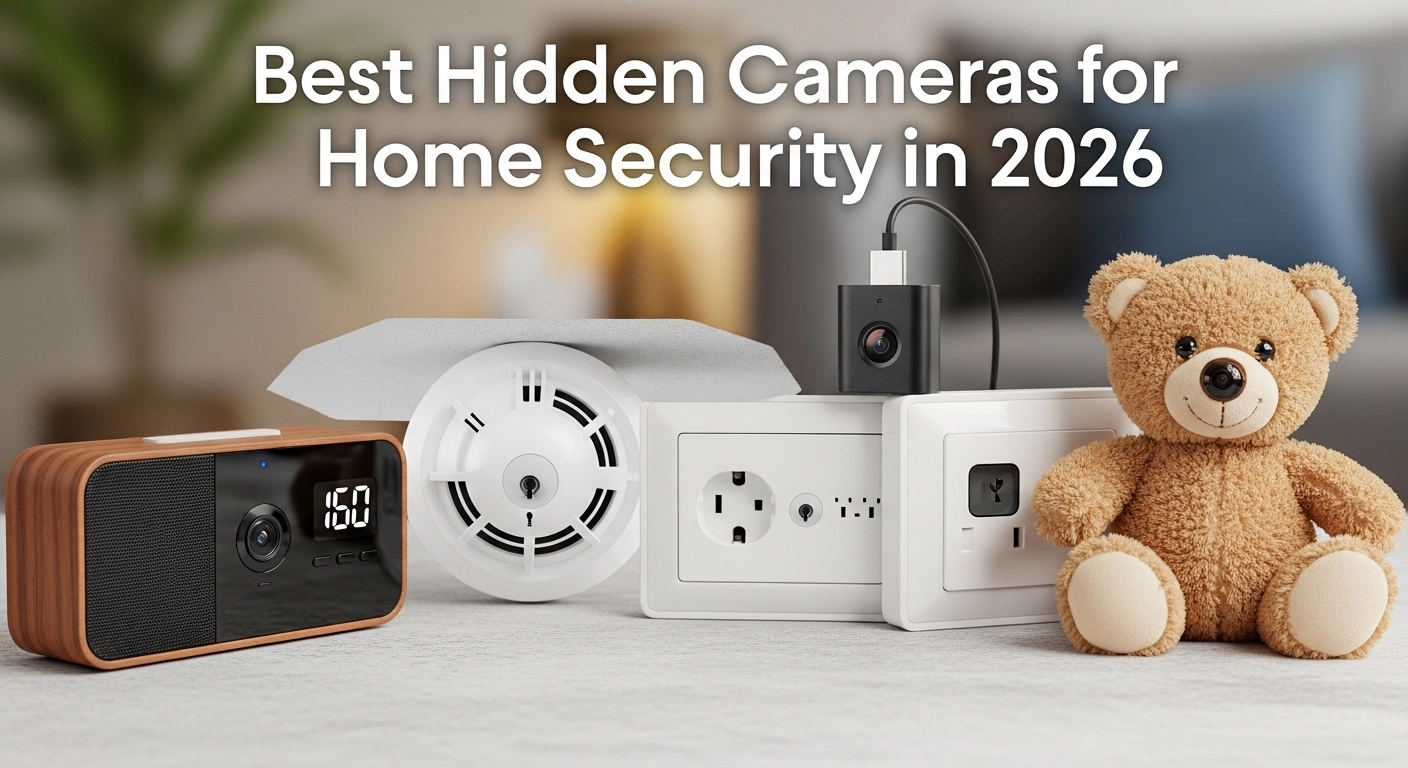
In your own home, video-only hidden cameras in common areas (living rooms, kitchens, hallways, entryways) are legal in most US states and most countries. You can install a camera disguised as a smoke detector pointed at your front door without breaking any laws — that’s standard home security.

Restrictions kick in for private areas (bathrooms, bedrooms, guest rooms when guests are using them) and when you record people who have a reasonable expectation of privacy. A hidden camera in your guest bathroom is illegal even in your own home. A camera in your live-in nanny’s bedroom is illegal essentially everywhere. Common areas: usually fine. Private areas: almost never.

Recording Your Own Children’s Caregivers

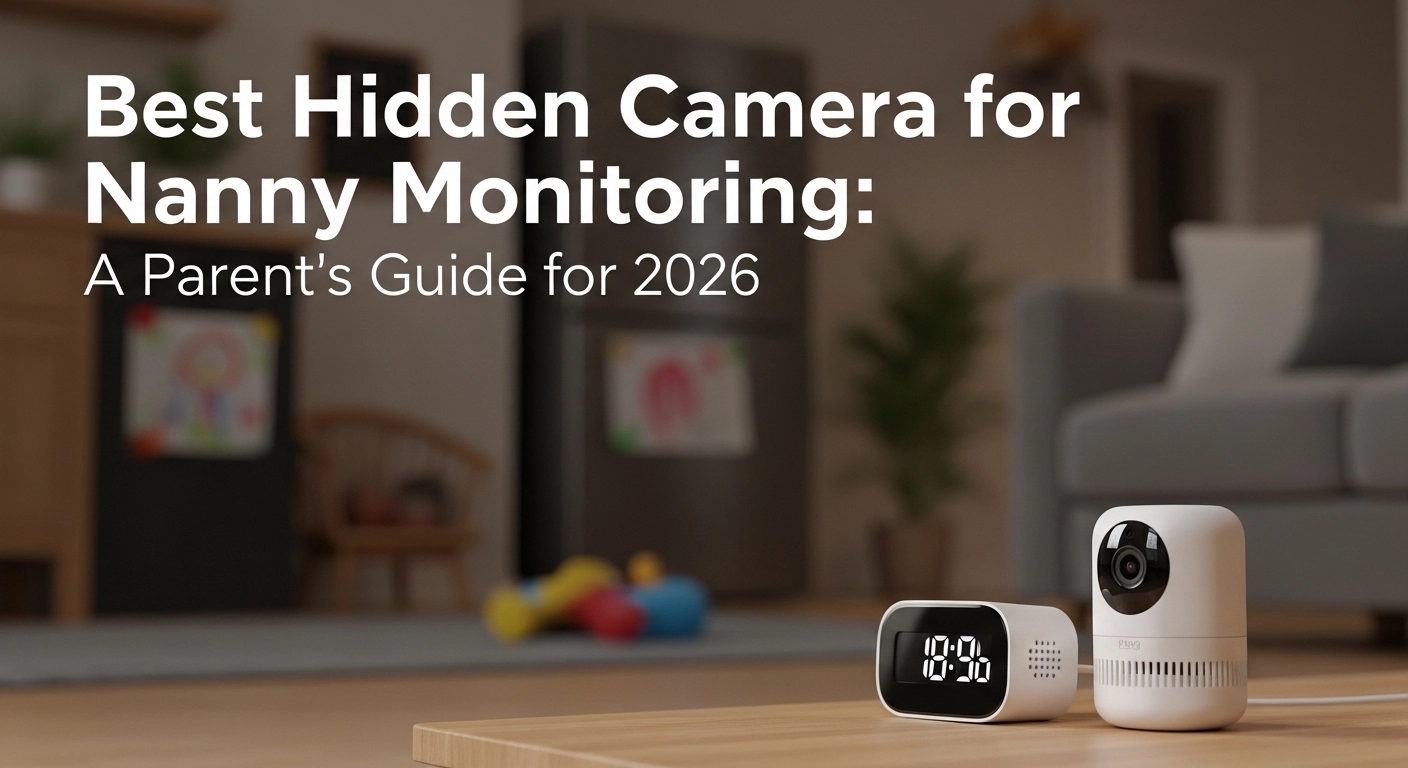
‘Nanny cams’ are one of the most common reasons people buy hidden cameras. The legal landscape is mostly favorable but with important caveats. Video recording your child’s nanny in common areas of your home (living room, kitchen, playroom) is legal in nearly every US state without disclosure.

Audio recording is the legal grey zone. In two-party consent states, recording audio of your nanny without their knowledge can be illegal — even in your own home. The safest path is to disclose the cameras in the employment agreement: ‘You will be working in a home with security cameras in common areas. By accepting this position, you consent to video and audio recording.’ This single sentence eliminates almost all legal risk.

Hidden Cameras in Rentals or Other Properties You Don’t Own

Installing hidden cameras in places you don’t own — Airbnb rentals, hotel rooms, friends’ houses, workplaces — is illegal in most situations. The owner of the property has legal authority over surveillance there, not you. Even if your intentions are protective, recording other people’s spaces without permission can lead to criminal charges.

Major rental platforms like Airbnb and Vrbo prohibit hidden cameras in their listings. Hosts who install hidden cameras face platform bans plus potential criminal charges in most jurisdictions. Guests who install hidden cameras in rentals face the same legal exposure. If you need security while traveling, use openly visible portable cameras that you can take with you.

Workplace Hidden Cameras

Workplace surveillance has its own complex legal rules. Most US states allow employers to install cameras in common work areas (offices, break rooms, hallways) with appropriate notice to employees. Hidden cameras without disclosure are riskier but sometimes legal for specific investigations of theft, fraud, or harassment.

Bathrooms, locker rooms, and changing areas are off-limits for cameras almost universally, even with disclosure. Some states require employers to disclose any video surveillance via posted signs or written notice in the employment agreement. Audio recording at work brings in two-party consent rules and federal wiretap laws — much higher risk and often illegal even in one-party consent states.

Specific State Highlights (US)

  • California: Two-party consent for audio. Strong privacy protections. Video in private spaces illegal even on your own property.
  • Florida: Two-party consent for audio. Civil and criminal penalties for violations.
  • Illinois: Two-party consent for audio. The Eavesdropping Act has been heavily litigated.
  • New York: One-party consent for audio. Hidden video in private spaces illegal.
  • Texas: One-party consent for audio. Recording laws relatively permissive.
  • Washington: Two-party consent for audio. Strong privacy laws.

Always check current law in your specific state before installing hidden cameras for any non-trivial purpose. Laws change, and what was legal three years ago may not be today.

Penalties for Violations

Penalties for hidden camera law violations range widely. Civil suits can result in damages of $5,000 to $50,000 per incident, plus the violator’s legal fees. Criminal charges can include fines from $1,000 to $25,000 and jail time from 30 days to multiple years for serious violations like recording in private spaces or distributing the footage.

The most severe penalties come from recording in private space contexts (bathrooms, bedrooms, dressing rooms) or recording minors. These cases sometimes carry sex offender registry consequences in addition to standard criminal penalties. The legal exposure for these scenarios is so severe that ‘I didn’t know’ offers essentially zero protection.

If You Find a Hidden Camera Recording You

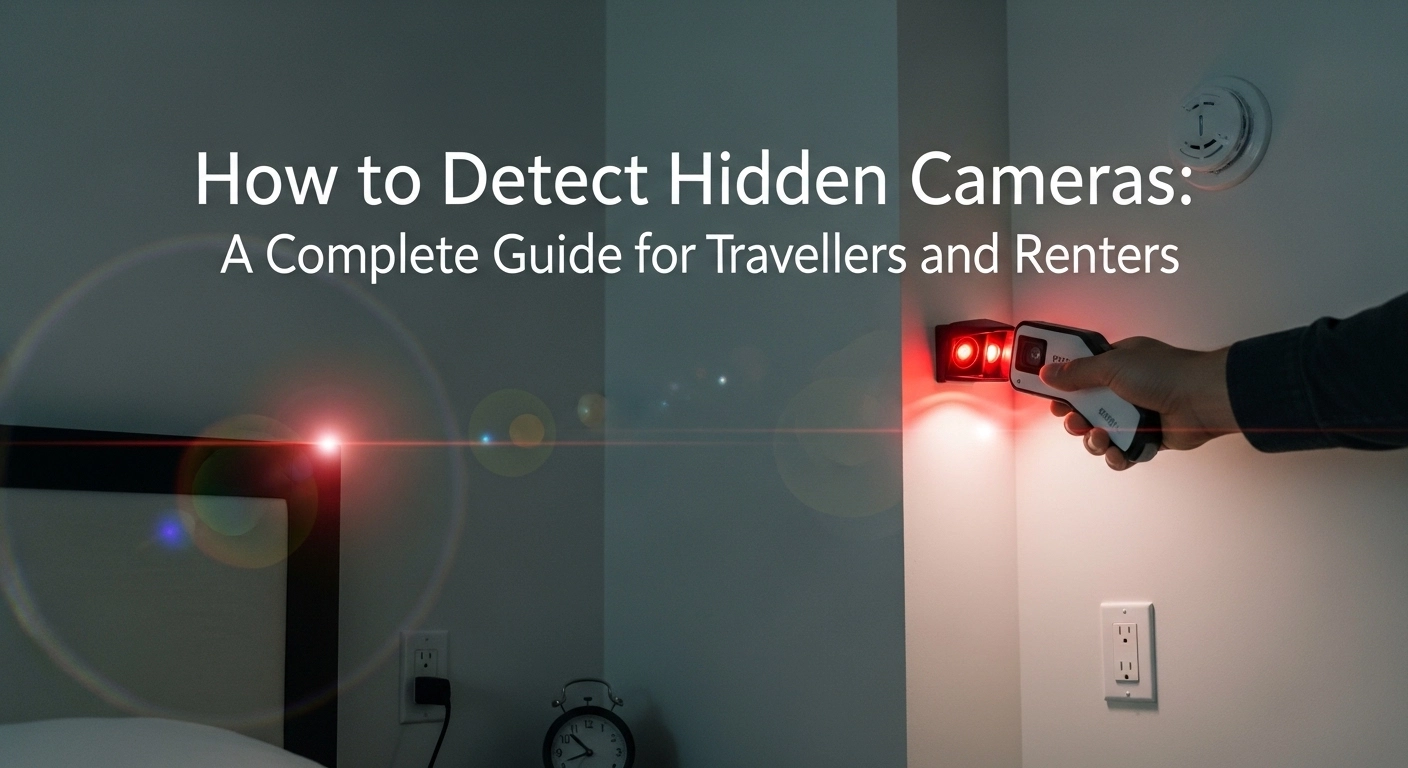
If you discover a hidden camera recording you in a place where you reasonably expected privacy, document it carefully without disturbing the camera. Photograph it in place, take wide shots showing context, and note the exact location. Then leave the area immediately. Contact local police to file a report. In rental situations, contact the rental platform’s emergency line.

Civil lawsuits against the person who installed the hidden camera are also typically possible. Most attorneys take these cases on contingency because penalties tend to be substantial. The first step is preserving evidence and getting the situation documented officially through police reports.

Final Word

Hidden camera laws in 2026 are complicated enough that most casual users break them without realizing. The safe approach: only use hidden cameras in your own home, only in common areas, only for video (not audio in two-party states), and only for genuine security purposes. Stay within those lines and you’re almost certainly fine. Cross them and the legal consequences can be life-altering.

Leave a Comment