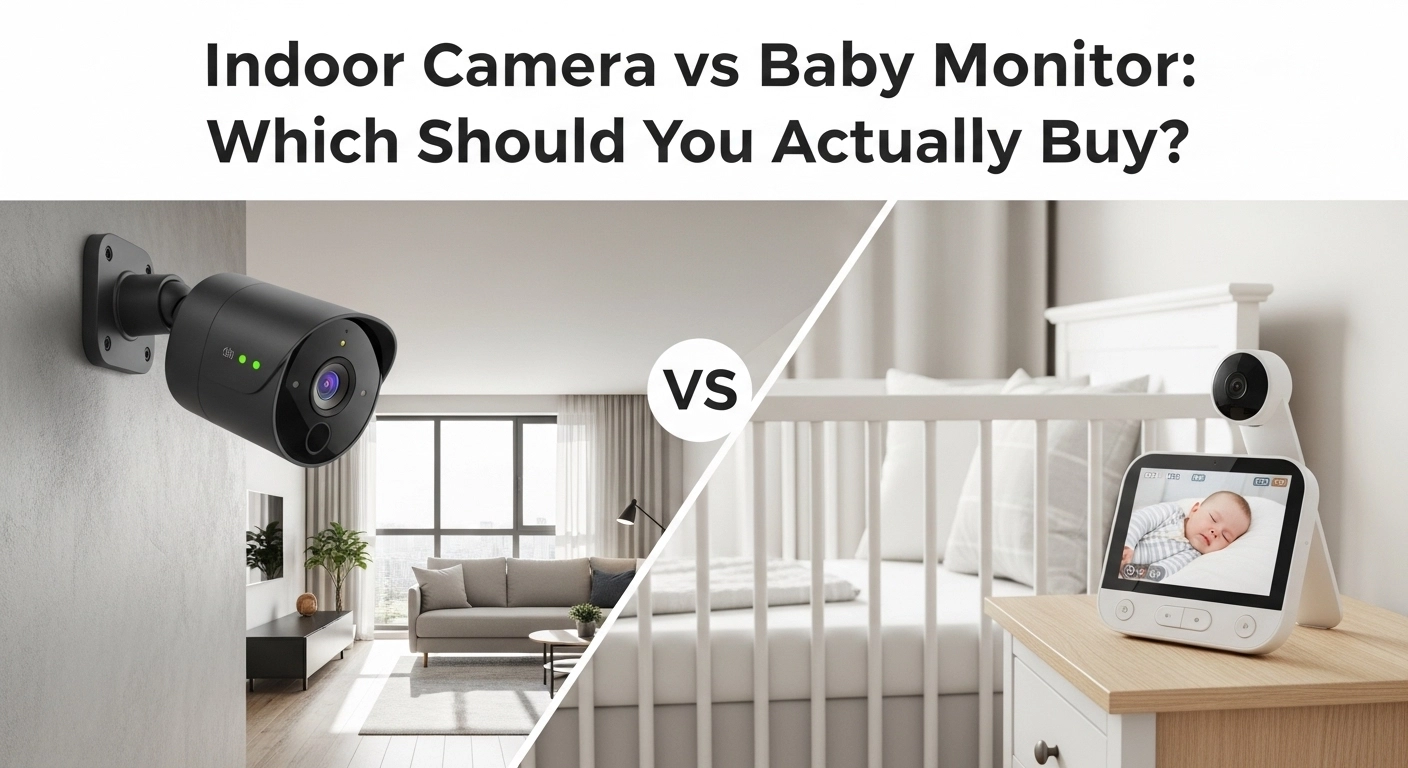
Indoor Camera vs Baby Monitor: Which Should You Actually Buy?
The first time my sister became a mom, she did what every new parent does — opened Amazon and got immediately overwhelmed. Should she buy a “smart” indoor camera and just point it at the crib? Or pay extra for a dedicated baby monitor with all the lullabies and parent-unit screens? It seems like a small decision until you’re standing in a store at 11 p.m. trying to figure out which $200 you actually need.
This guide settles the indoor camera vs baby monitor debate once and for all — based on what actually matters when you’re a sleep-deprived parent.
Quick Answer (For Skimmers)
If you want convenience and dual-purpose use, an indoor camera is the smarter long-term buy. If you want rock-solid reliability with no internet drama, a dedicated baby monitor wins. Most parents end up using both for the first year, then phasing out the baby monitor by toddler age.
What Is an Indoor Camera, Exactly?
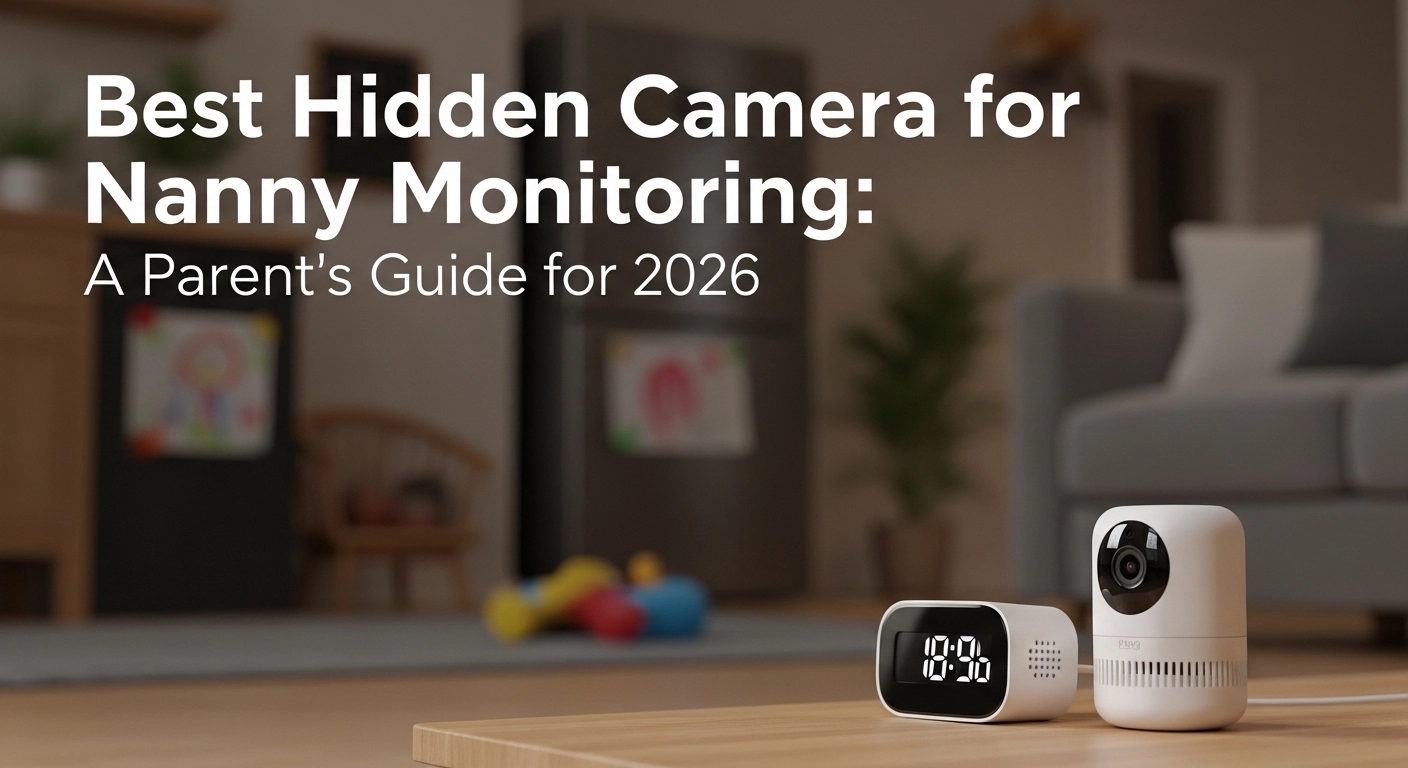
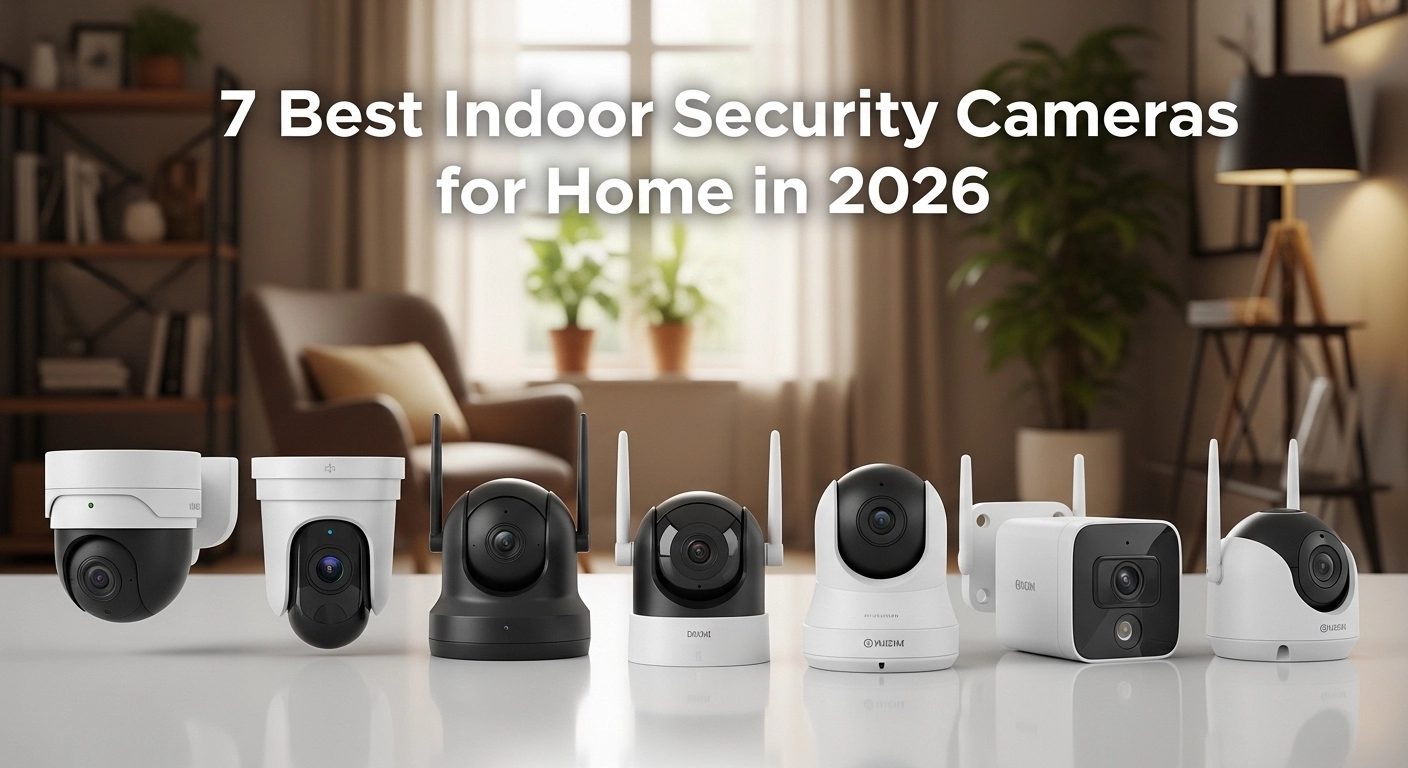
An indoor camera is a Wi-Fi connected camera you stream from your phone or tablet. Models like the Nest Cam, Tapo C220, and Eufy C220 stream live HD video, send motion alerts, and let you talk through the camera. The same hardware can monitor a nursery, a living room, or a pet over the course of years.
What Is a Baby Monitor?
A baby monitor is a single-purpose device with a camera unit and a dedicated screen (“parent unit”). Brands like Nanit, Owlet, and VTech are designed specifically around babies — sleep tracking, cry detection, breathing monitoring, lullaby playback, and a screen that always works without Wi-Fi.
Side-by-Side: Where Each One Wins
Cost. Indoor cameras typically run ₹3,000–₹15,000. Premium baby monitors run ₹15,000–₹40,000+ because of the parent-unit screen and specialized sensors. If you’re on a tight budget, indoor cameras are the clear winner.
Reliability. Baby monitors win, full stop. Most use a closed-loop FHSS or DECT signal that doesn’t depend on Wi-Fi. When the internet goes out at 3 a.m., your baby monitor still works. An indoor camera might not.
Privacy. Baby monitors transmit only between two devices — much harder to hack. Indoor cameras live on the cloud, which means brand reputation matters a lot. Pick a brand with end-to-end encryption (Eufy, Apple HomeKit Secure Video) if privacy is your top concern.
Smart features. Indoor cameras win here. They integrate with Google Home, Alexa, and SmartThings. You can ask your speaker to show the nursery on your TV. Baby monitors are far less flexible.
Battery life and portability. Baby monitors with parent units are battery powered, so you can take them to the garden, the kitchen, or a friend’s house. Indoor cameras need your phone, and your phone needs Wi-Fi.
Specialized health features. Owlet and Nanit can track breathing, sleep cycles, and even temperature. No indoor camera does this, and for some parents, those features alone justify the cost.
When to Choose an Indoor Camera
Pick an indoor camera if you want to use it for multiple purposes over the years — pet monitoring after the baby grows up, watching the front door, or keeping an eye on aging parents. You’ll also prefer indoor cameras if you’re comfortable with apps and want everything controlled from your phone.
When to Choose a Baby Monitor
Pick a baby monitor if reliability is your top priority, especially in homes with spotty Wi-Fi. Also pick one if you want medical-grade tracking features like breathing or oxygen detection. Parents of premature babies, in particular, lean toward dedicated monitors for this reason.
The “Both” Strategy (What Most Parents Do)
I’ll be honest — most parents I know end up with both. They use the dedicated baby monitor for night sleep (rock-solid, low-latency, doesn’t need their phone), and the indoor camera during the day for checking in from work or sending cute clips to grandparents. Total cost is higher but the peace of mind is worth it for the first 12–18 months.
Final Verdict
If you can only pick one and you’re budget conscious — buy a quality indoor camera (Nest Cam, Tapo C220, or Eufy C220) and you’ll be 90% of the way there. If you want every feature and don’t mind spending more, a Nanit or Owlet baby monitor is purpose-built for the job and won’t let you down.
The indoor camera vs baby monitor decision really comes down to what you’ll need this device to do two years from now. Indoor cameras grow with your family. Baby monitors do one thing extremely well, then get donated.